Buy icesmoothie.com ?
We are moving the project
icesmoothie.com .
Are you interested in purchasing the domain
icesmoothie.com ?
domain@kv-gmbh.de · 0541-91531010
Buy icesmoothie.com ?
Which material is suitable for homemade knitting?
Materials such as wool, cotton, acrylic, and bamboo yarn are commonly used for homemade knitting projects. These materials are easy to work with, come in a variety of colors and textures, and are readily available at craft stores. Beginners may find acrylic yarn to be a good option as it is affordable and easy to care for. More experienced knitters may prefer natural fibers like wool or cotton for their softness and durability. **
What is a material defect in a rusting blender?
A material defect in a rusting blender would be a flaw in the construction or composition of the blender that causes it to rust prematurely or excessively. This could be due to subpar materials used in the blender's construction, poor design that allows moisture to accumulate and cause rust, or a manufacturing error that makes the blender more susceptible to rusting. A material defect in a rusting blender would compromise its durability and performance, potentially leading to safety hazards and a shorter lifespan. **


Similar search terms for Material
Top-Angebote
Products related to Material:


-
Where can I determine the material thickness in Blender?
In Blender, you can determine the material thickness by selecting the object you want to inspect and then navigating to the "Material Properties" tab in the Properties panel. Within the Material Properties tab, you can find the "Settings" section where you can adjust the material thickness using the "Thickness" slider. This allows you to control the thickness of the material applied to the object, giving you the ability to create different visual effects and simulate real-world material properties. **
-
Is there a way to copy material settings in Blender?
Yes, in Blender, you can copy material settings from one object to another by using the "Copy Material" and "Paste Material" options. To do this, select the object with the material settings you want to copy, then Shift-select the object you want to apply the material to. Next, go to the Material tab in the Properties panel, right-click on the material slot you want to copy, and select "Copy Material." Finally, right-click on the material slot of the target object and select "Paste Material" to apply the copied material settings. **
-
How do you set color material as a keyframe in Blender?
To set a color material as a keyframe in Blender, first select the object you want to animate. Then, go to the Material Properties tab and select the material you want to animate. Next, click on the small circle icon next to the color property to set a keyframe for that color. This will create a keyframe at the current frame, and you can then move to a different frame, change the color, and set another keyframe to animate the color change over time. **
-
What material is best to use for braiding homemade dog tug toys?
The best material to use for braiding homemade dog tug toys is durable and non-toxic. Some popular options include cotton rope, fleece, or nylon. These materials are strong enough to withstand the pulling and tugging of a dog's play, and they are also safe for your dog to chew on. Additionally, these materials are easy to find and work with, making them ideal for crafting homemade dog toys. **


How do you set a color material as a keyframe in Blender?
To set a color material as a keyframe in Blender, first, select the object you want to animate. Then, go to the Material tab in the Properties panel. Click on the color box next to the material you want to animate. Right-click on the color and select 'Insert Keyframe' from the menu. This will set the color material as a keyframe at the current frame. **
Why is the Blender material not displayed in the image texture shader?
The Blender material may not be displayed in the image texture shader because the material may not be properly connected to the shader in the node editor. It is also possible that the image texture shader is not assigned to the correct material or object in the scene. Additionally, the image texture may not be properly UV unwrapped or mapped onto the object, causing it not to display in the shader. Double-checking the node connections, material assignments, and UV mapping can help resolve this issue. **
Top-Angebote
Products related to Material:
-
Inspire Daily Merch Plastic Material Tabletop Fruit Platter, Multifunctional Adjustable Kitchen Rack Plastic Material Tabletop Fruit Platter, Multifunctional Adjustable Kitchen RackTransform Your Kitchen with This Multifunctional Adjustable Kitchen Rack Maximize your kitchen space with the Multifunctional Adjustable Kitchen Rack. This rack is designed to offer convenient and versatile storage for various kitchen essentials....43,97 $*Shipping: 0,00 $Secure redirect to the provider
-
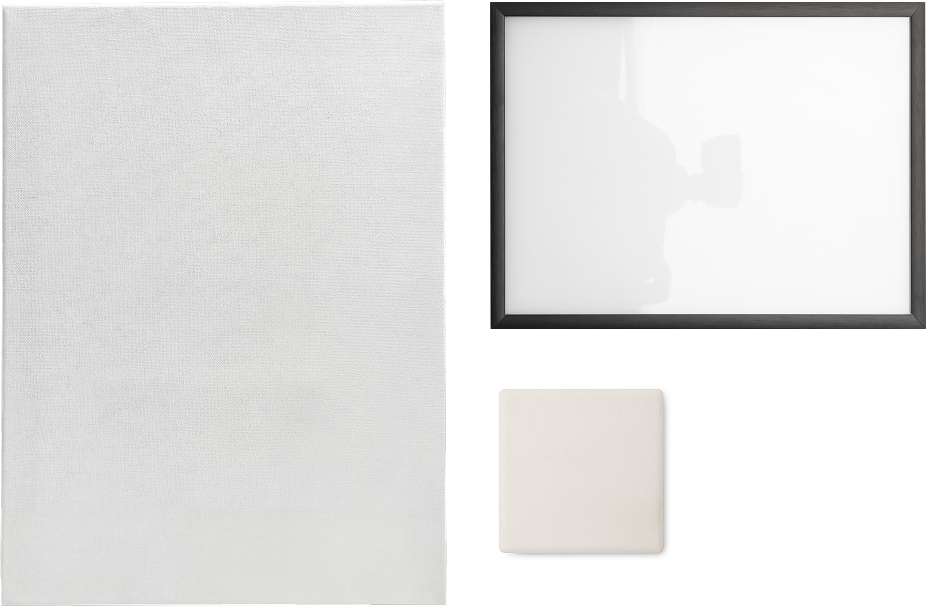
eufyMake Deluxe Material Kit55-piece creative set (canvas ×5, wood boards ×5, metal wall art ×2, coaster ×10, light art painting kit ×1, UV DTF Film A sheets ×25, 30 m UV DTF Film B roll ×1, skinny tumbler ×6, standard tumbler ×2, travel mug ×2). Experience the joy of multi-material printing—print vibrant designs on tumblers, craft custom stickers, personalize coasters, create stunning wall art, and more. Transform ordinary objects into extraordinary works of art.429,99 £*Shipping: 0,00 £Secure redirect to the provider
-
Which material is suitable for homemade knitting?
Materials such as wool, cotton, acrylic, and bamboo yarn are commonly used for homemade knitting projects. These materials are easy to work with, come in a variety of colors and textures, and are readily available at craft stores. Beginners may find acrylic yarn to be a good option as it is affordable and easy to care for. More experienced knitters may prefer natural fibers like wool or cotton for their softness and durability. **
-
What is a material defect in a rusting blender?
A material defect in a rusting blender would be a flaw in the construction or composition of the blender that causes it to rust prematurely or excessively. This could be due to subpar materials used in the blender's construction, poor design that allows moisture to accumulate and cause rust, or a manufacturing error that makes the blender more susceptible to rusting. A material defect in a rusting blender would compromise its durability and performance, potentially leading to safety hazards and a shorter lifespan. **
-
Where can I determine the material thickness in Blender?
In Blender, you can determine the material thickness by selecting the object you want to inspect and then navigating to the "Material Properties" tab in the Properties panel. Within the Material Properties tab, you can find the "Settings" section where you can adjust the material thickness using the "Thickness" slider. This allows you to control the thickness of the material applied to the object, giving you the ability to create different visual effects and simulate real-world material properties. **
-
Is there a way to copy material settings in Blender?
Yes, in Blender, you can copy material settings from one object to another by using the "Copy Material" and "Paste Material" options. To do this, select the object with the material settings you want to copy, then Shift-select the object you want to apply the material to. Next, go to the Material tab in the Properties panel, right-click on the material slot you want to copy, and select "Copy Material." Finally, right-click on the material slot of the target object and select "Paste Material" to apply the copied material settings. **
Similar search terms for Material
-
How do you set color material as a keyframe in Blender?
To set a color material as a keyframe in Blender, first select the object you want to animate. Then, go to the Material Properties tab and select the material you want to animate. Next, click on the small circle icon next to the color property to set a keyframe for that color. This will create a keyframe at the current frame, and you can then move to a different frame, change the color, and set another keyframe to animate the color change over time. **
-
What material is best to use for braiding homemade dog tug toys?
The best material to use for braiding homemade dog tug toys is durable and non-toxic. Some popular options include cotton rope, fleece, or nylon. These materials are strong enough to withstand the pulling and tugging of a dog's play, and they are also safe for your dog to chew on. Additionally, these materials are easy to find and work with, making them ideal for crafting homemade dog toys. **
-
How do you set a color material as a keyframe in Blender?
To set a color material as a keyframe in Blender, first, select the object you want to animate. Then, go to the Material tab in the Properties panel. Click on the color box next to the material you want to animate. Right-click on the color and select 'Insert Keyframe' from the menu. This will set the color material as a keyframe at the current frame. **
-
Why is the Blender material not displayed in the image texture shader?
The Blender material may not be displayed in the image texture shader because the material may not be properly connected to the shader in the node editor. It is also possible that the image texture shader is not assigned to the correct material or object in the scene. Additionally, the image texture may not be properly UV unwrapped or mapped onto the object, causing it not to display in the shader. Double-checking the node connections, material assignments, and UV mapping can help resolve this issue. **
* All prices are inclusive of VAT and, if applicable, plus shipping costs. The offer information is based on the details provided by the respective shop and is updated through automated processes. Real-time updates do not occur, so deviations can occur in individual cases. ** Note: Parts of this content were created by AI.