Buy icesmoothie.com ?
We are moving the project
icesmoothie.com .
Are you interested in purchasing the domain
icesmoothie.com ?
domain@kv-gmbh.de · 0541-91531010
Buy icesmoothie.com ?
What is a halide test?
A halide test is a chemical test used to detect the presence of halide ions in a solution. Halide ions include fluoride, chloride, bromide, and iodide. The test typically involves adding a specific reagent to the solution, which forms a precipitate with the halide ions present. The color or appearance of the precipitate can help identify which halide ion is present in the solution. **
What is a halide detection?
Halide detection refers to the process of identifying and measuring the presence of halide ions, such as chloride, bromide, and iodide, in a sample. This can be done using various analytical techniques, such as ion chromatography, colorimetric assays, or electrochemical sensors. Halide detection is important in environmental monitoring, industrial processes, and medical diagnostics, as the presence of halides can indicate contamination, corrosion, or specific health conditions. Accurate and sensitive detection of halides is crucial for ensuring safety and quality in various applications. **

Similar search terms for Halide
Top-Angebote
Products related to Halide:
-
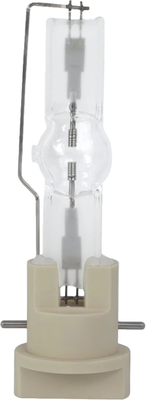
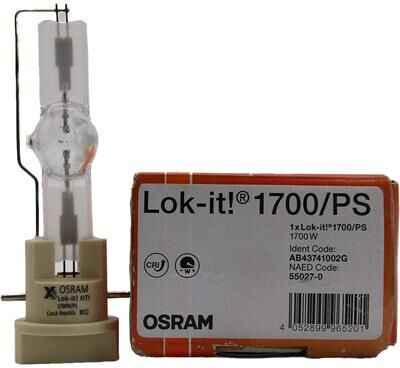
Osram Lok-it 1700W/PS Metal Halide Lamp for the Robe BMFL WashOsram Lok-it 1700W/PS Metal Halide Lamp for the Robe BMFL Wash Lok-it! 1700/PS Lok-it! 1700/PS Product Family Benefits: Lok-it! PS for concert lighting: stable performance and reliability Lok-it! PS Brilliant for theaters: Life-like colors and...394,99 $*Shipping: 0,00 $Secure redirect to the provider
-
Osram Lok-it 1700W/PS Metal Halide Lamp for the Robe BMFL SPOTOsram Lok-it 1700W/PS Metal Halide Lamp for the Robe BMFL SPOT Lok-it! 1700/PS Lok-it! 1700/PS Product Family Benefits: Lok-it! PS for concert lighting: stable performance and reliability Lok-it! PS Brilliant for theaters: Life-like colors and...394,99 $*Shipping: 0,00 $Secure redirect to the provider
-
Osram Lok-it 1700W/PS Metal Halide Lamp for the BMFL FollowSpot LTOsram Lok-it 1700W/PS Metal Halide Lamp for the BMFL FollowSpot LT Lok-it! 1700/PS Lok-it! 1700/PS Product Family Benefits: Lok-it! PS for concert lighting: stable performance and reliability Lok-it! PS Brilliant for theaters: Life-like colors and...394,99 $*Shipping: 0,00 $Secure redirect to the provider
-
Osram Lok-it 1700W/PS Metal Halide Lamp for the Robe BMFL WashBeamOsram Lok-it 1700W/PS Metal Halide Lamp for the Robe BMFL WashBeam Lok-it! 1700/PS Lok-it! 1700/PS Product Family Benefits: Lok-it! PS for concert lighting: stable performance and reliability Lok-it! PS Brilliant for theaters: Life-like colors and...394,99 $*Shipping: 0,00 $Secure redirect to the provider


-
Why are halide ions negatively charged?
Halide ions are negatively charged because they have gained an extra electron to achieve a stable electron configuration. Halide ions are formed when halogen atoms, which have seven valence electrons, gain one electron to complete their outer electron shell and attain a full octet. This extra electron gives the halide ion a negative charge, making it an anion. **
-
What is an exciting metal halide?
An exciting metal halide is one that exhibits unique and interesting properties due to the combination of a metal and a halogen. For example, mercury halides are exciting because they are used in high-intensity discharge lamps, which produce a bright and efficient light source. Additionally, metal halides such as titanium(IV) chloride are exciting because they are used in the production of titanium metal, which has a wide range of industrial and commercial applications. Overall, exciting metal halides are those that have valuable and useful properties in various fields of science and technology. **
-
How can halide salts be identified?
Halide salts can be identified through various chemical tests. One common method is the silver nitrate test, where the halide salt is mixed with silver nitrate solution. The formation of a precipitate indicates the presence of a halide ion (chloride, bromide, or iodide). Another method is the addition of concentrated sulfuric acid and heating, which can help differentiate between different halide ions based on the color and odor of the resulting gas. Additionally, flame tests can be used to identify certain halide salts based on the color of the flame produced when the salt is heated in a Bunsen burner. **
-
What is a precipitation reaction of halide ions?
A precipitation reaction of halide ions occurs when a soluble salt containing a halide ion (such as chloride, bromide, or iodide) is mixed with a solution containing a metal ion. When the two solutions are combined, the halide ions can react with the metal ions to form an insoluble salt, which precipitates out of the solution as a solid. This type of reaction is often used to identify the presence of specific halide ions in a solution, as each halide ion forms a different colored precipitate with certain metal ions. **


Why is there no halide ion with helium configuration?
There is no halide ion with a helium configuration because helium has a full outer electron shell with 2 electrons, making it very stable and unreactive. Halide ions, on the other hand, are formed when halogen atoms gain one electron to achieve a full outer electron shell. Since helium already has a full outer shell with 2 electrons, it does not need to gain or lose electrons to achieve stability like the halogens do. Therefore, there is no need for helium to form a halide ion. **
What is the question regarding the halide detection with silver nitrate?
The question regarding halide detection with silver nitrate is typically about how to distinguish between different halides (chloride, bromide, and iodide) using silver nitrate. Silver nitrate forms insoluble silver halides when mixed with halide ions, resulting in different colored precipitates (white for chloride, cream for bromide, and yellow for iodide). The question may also involve understanding the solubility rules that dictate the formation of these precipitates and how to interpret the results of the reaction. **
Top-Angebote
Products related to Halide:
-
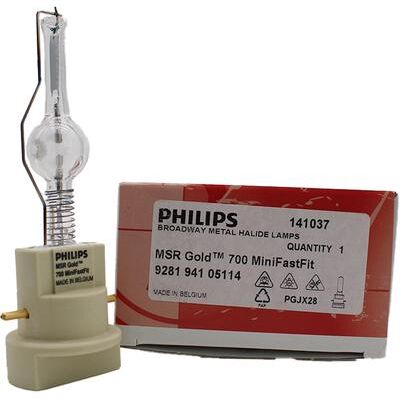
Philips MSR Gold™ 700 MiniFastFit 700 Watt PGJX28 Metal Halide Lamp - 141037Specifications: Initial lumen (Min): 44500 lm Initial lumen (Nom): 49000 lm Chromaticity Coordinate X (Nom): 289 Chromaticity Coordinate Y (Nom): 308 Correlated Color Temperature (Nom): 6000 K Luminous Efficacy (rated) (Nom): 70 lm/W Color Rendering...274,99 $*Shipping: 0,00 $Secure redirect to the provider
-
Osram Lok-it 1700W/PS Metal Halide Lamp for the Robe BMFL WashOsram Lok-it 1700W/PS Metal Halide Lamp for the Robe BMFL Wash Lok-it! 1700/PS Lok-it! 1700/PS Product Family Benefits: Lok-it! PS for concert lighting: stable performance and reliability Lok-it! PS Brilliant for theaters: Life-like colors and...394,99 $*Shipping: 0,00 $Secure redirect to the provider
-
Osram Lok-it 1700W/PS Metal Halide Lamp for the Robe BMFL SPOTOsram Lok-it 1700W/PS Metal Halide Lamp for the Robe BMFL SPOT Lok-it! 1700/PS Lok-it! 1700/PS Product Family Benefits: Lok-it! PS for concert lighting: stable performance and reliability Lok-it! PS Brilliant for theaters: Life-like colors and...394,99 $*Shipping: 0,00 $Secure redirect to the provider
-
What is a halide test?
A halide test is a chemical test used to detect the presence of halide ions in a solution. Halide ions include fluoride, chloride, bromide, and iodide. The test typically involves adding a specific reagent to the solution, which forms a precipitate with the halide ions present. The color or appearance of the precipitate can help identify which halide ion is present in the solution. **
-
What is a halide detection?
Halide detection refers to the process of identifying and measuring the presence of halide ions, such as chloride, bromide, and iodide, in a sample. This can be done using various analytical techniques, such as ion chromatography, colorimetric assays, or electrochemical sensors. Halide detection is important in environmental monitoring, industrial processes, and medical diagnostics, as the presence of halides can indicate contamination, corrosion, or specific health conditions. Accurate and sensitive detection of halides is crucial for ensuring safety and quality in various applications. **
-
Why are halide ions negatively charged?
Halide ions are negatively charged because they have gained an extra electron to achieve a stable electron configuration. Halide ions are formed when halogen atoms, which have seven valence electrons, gain one electron to complete their outer electron shell and attain a full octet. This extra electron gives the halide ion a negative charge, making it an anion. **
-
What is an exciting metal halide?
An exciting metal halide is one that exhibits unique and interesting properties due to the combination of a metal and a halogen. For example, mercury halides are exciting because they are used in high-intensity discharge lamps, which produce a bright and efficient light source. Additionally, metal halides such as titanium(IV) chloride are exciting because they are used in the production of titanium metal, which has a wide range of industrial and commercial applications. Overall, exciting metal halides are those that have valuable and useful properties in various fields of science and technology. **
Similar search terms for Halide
-
Osram Lok-it 1700W/PS Metal Halide Lamp for the BMFL FollowSpot LTOsram Lok-it 1700W/PS Metal Halide Lamp for the BMFL FollowSpot LT Lok-it! 1700/PS Lok-it! 1700/PS Product Family Benefits: Lok-it! PS for concert lighting: stable performance and reliability Lok-it! PS Brilliant for theaters: Life-like colors and...394,99 $*Shipping: 0,00 $Secure redirect to the provider
-
Osram Lok-it 1700W/PS Metal Halide Lamp for the Robe BMFL WashBeamOsram Lok-it 1700W/PS Metal Halide Lamp for the Robe BMFL WashBeam Lok-it! 1700/PS Lok-it! 1700/PS Product Family Benefits: Lok-it! PS for concert lighting: stable performance and reliability Lok-it! PS Brilliant for theaters: Life-like colors and...394,99 $*Shipping: 0,00 $Secure redirect to the provider
-
Osram Lok-it 1700W/PS Metal Halide Lamp for the Robe BMFL BLADEOsram Lok-it 1700W/PS Metal Halide Lamp for the Robe BMFL BLADE Lok-it! 1700/PS Lok-it! 1700/PS Product Family Benefits: Lok-it! PS for concert lighting: stable performance and reliability Lok-it! PS Brilliant for theaters: Life-like colors and...394,99 $*Shipping: 0,00 $Secure redirect to the provider
-
Mitchell Beazley Chetna’s Healthy Indian Vegetarian by Chetna Makan – Nutritious & Flavorful RecipesHealthy Indian Vegetarian is a celebration of Indian food at its best; fresh, vibrant and supremely moreish.Chetna Makan's bestselling cookbooks combine her creative flavour twists with a love of simple Indian home cooking. Taking inspiration from the eclectic mix of vegetarian and vegan dishes found in Indian cuisine, these tempting recipes celebrate plant-based food at its best - delicious, vibrant, varied and nutritious. Nothing complicated; just beautiful food for everyone - and so healthy that you can enjoy it every day.With over 80 delicious recipes that vegetarians and even the most dedicated of meat-eaters can enjoy. Chetna shows just how creative you can be with even the most humble of vegetables. This book is packed with flavour and innovative ideas whilst being easy and accessible for home cooks.Recipes include:Garlic and tamarind soupGram flour stuffed chilliesCheese and potato chapatti sandwichCourgette kofta curryBeetroot and sweet potato kormaMasala paneer8,90 £*Shipping: 2,99 £Secure redirect to the provider
-
How can halide salts be identified?
Halide salts can be identified through various chemical tests. One common method is the silver nitrate test, where the halide salt is mixed with silver nitrate solution. The formation of a precipitate indicates the presence of a halide ion (chloride, bromide, or iodide). Another method is the addition of concentrated sulfuric acid and heating, which can help differentiate between different halide ions based on the color and odor of the resulting gas. Additionally, flame tests can be used to identify certain halide salts based on the color of the flame produced when the salt is heated in a Bunsen burner. **
-
What is a precipitation reaction of halide ions?
A precipitation reaction of halide ions occurs when a soluble salt containing a halide ion (such as chloride, bromide, or iodide) is mixed with a solution containing a metal ion. When the two solutions are combined, the halide ions can react with the metal ions to form an insoluble salt, which precipitates out of the solution as a solid. This type of reaction is often used to identify the presence of specific halide ions in a solution, as each halide ion forms a different colored precipitate with certain metal ions. **
-
Why is there no halide ion with helium configuration?
There is no halide ion with a helium configuration because helium has a full outer electron shell with 2 electrons, making it very stable and unreactive. Halide ions, on the other hand, are formed when halogen atoms gain one electron to achieve a full outer electron shell. Since helium already has a full outer shell with 2 electrons, it does not need to gain or lose electrons to achieve stability like the halogens do. Therefore, there is no need for helium to form a halide ion. **
-
What is the question regarding the halide detection with silver nitrate?
The question regarding halide detection with silver nitrate is typically about how to distinguish between different halides (chloride, bromide, and iodide) using silver nitrate. Silver nitrate forms insoluble silver halides when mixed with halide ions, resulting in different colored precipitates (white for chloride, cream for bromide, and yellow for iodide). The question may also involve understanding the solubility rules that dictate the formation of these precipitates and how to interpret the results of the reaction. **
* All prices are inclusive of VAT and, if applicable, plus shipping costs. The offer information is based on the details provided by the respective shop and is updated through automated processes. Real-time updates do not occur, so deviations can occur in individual cases. ** Note: Parts of this content were created by AI.