Buy icesmoothie.com ?
We are moving the project
icesmoothie.com .
Are you interested in purchasing the domain
icesmoothie.com ?
domain@kv-gmbh.de · 0541-91531010
Buy icesmoothie.com ?
Is allosteric inhibition the same as non-competitive inhibition?
Allosteric inhibition and non-competitive inhibition are not the same, although they are related. Non-competitive inhibition refers to the binding of an inhibitor to a site on the enzyme that is not the active site, thereby preventing the substrate from binding to the active site. Allosteric inhibition, on the other hand, occurs when an inhibitor binds to a site on the enzyme that is distinct from the active site, causing a conformational change in the enzyme that reduces its activity. While both types of inhibition involve the binding of an inhibitor to a site other than the active site, allosteric inhibition specifically involves a change in the enzyme's shape and activity. **
What type of inhibition occurs through allosteric activation/inhibition?
Allosteric inhibition occurs when a molecule binds to an allosteric site on an enzyme, causing a conformational change that reduces the enzyme's activity. This type of inhibition is non-competitive, meaning it does not compete with the substrate for the active site. Allosteric activation, on the other hand, occurs when a molecule binds to an allosteric site and enhances the enzyme's activity. Both allosteric inhibition and activation involve the binding of a regulatory molecule to a site other than the active site of the enzyme, leading to a change in the enzyme's activity. **


Similar search terms for Inhibition
Top-Angebote
Products related to Inhibition:
-
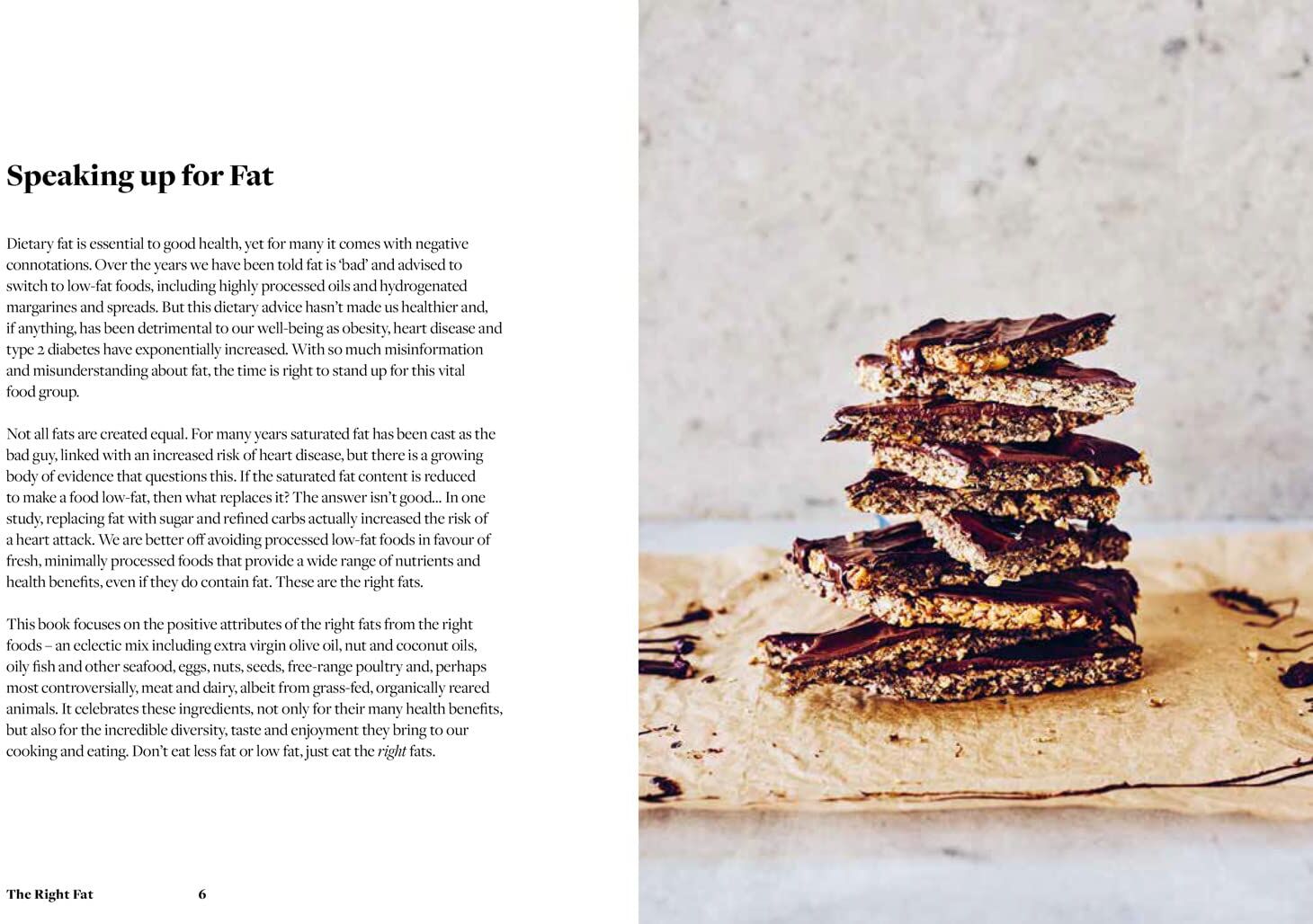
Pavilion Books The Right Fat by Nicola Graimes - Hardback Cookbook - Over 50 Simple Nutritious Recipes for Healthy FatsThis clear-headed cookbook helps home cooks understand and enjoy fats rather than fear them. Combining accessible nutrition science with over 50 simple, nutritious recipes, it explains why the right fats matter for energy, heart, gut, skin and brain health. Perfect for health-conscious cooks, busy families, and anyone confused by conflicting low-fat versus high-fat advice, it delivers practical, flavour-first guidance you can use every day in the kitchen. In this refreshing take on one of the most misunderstood macronutrients, Nicola Graimes celebrates the diversity and nutritional power of good fats. Rather than treating all fats as equal or dangerous, the book separates evidence from fad-diet fiction, explaining which fats support cell growth, hormone regulation, and cognitive development.2,99 £*Shipping: 2,99 £Secure redirect to the provider
-
HarperCollins Feel Good Food by Joe Wicks - Over 100 Healthy Family Recipes - Hardback Cookbook - Quick Nutritious Meals for Busy FamiliesFeel Good Food is a family cookbook by Joe Wicks, packed with over 100 quick and healthy recipes designed to boost energy and simplify home cooking. From brilliant breakfasts to satisfying dinners, snacks, and guilt-free treats, every dish is created to fit around busy family life. Joe Wicks focuses on nutritious, balanced meals that taste great and take the stress out of feeding a household. This cookbook brings together more than 100 recipes from Joe Wicks, built around the idea that what you eat can genuinely improve how you feel. The collection spans energy-boosting breakfasts, easy weeknight dinners, home-cooking hacks, energy-packed snacks, mood-boosting main meals, dishes for feeding a crowd, and guilt-free sweet treats, giving families a full toolkit for healthy eating.4,99 £*Shipping: 2,99 £Secure redirect to the provider
-
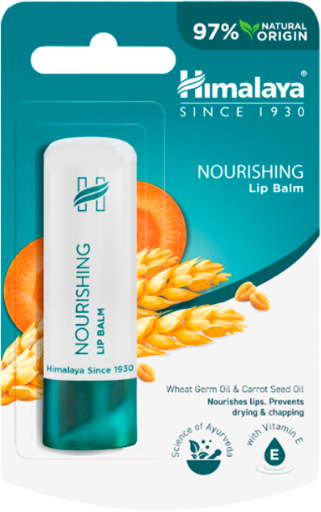
Himalaya Nutritious Lip Balm 45 grHealth and Beauty Creams Himalaya Nutritious Lip Balm 45 gr Cocoa cream prevents cracks, dryness and cracking of the lips. Contains a natural UV filter and Vitamin Ethat nourishes, tones and softens the lips. Indications: Cracked, cracked or dry lips.1,73 £*Shipping: 3,99 £Secure redirect to the provider
-
Inspire Select Cocktail Muddler Stainless Steel Bar Tool With Grooved Nylon Head For Mojitos, Fruit Mashing & Homemade Mixed Drinks 9.06inBring fresh flavor to the drinks you love making at home. This cocktail muddler combines stainless steel construction with a grooved nylon head for pressing and mashing ingredients. Use it to release citrus juice, muddle fruit, and prepare flavorful...62,96 $*Shipping: 0,00 $Secure redirect to the provider


-
What is the difference between competitive inhibition and allosteric inhibition?
Competitive inhibition occurs when a molecule competes with the substrate for the active site of an enzyme, effectively blocking the substrate from binding and inhibiting the enzyme's activity. In contrast, allosteric inhibition occurs when a molecule binds to a site on the enzyme other than the active site, causing a conformational change that reduces the enzyme's activity. While competitive inhibition directly competes with the substrate for the active site, allosteric inhibition involves binding to a different site on the enzyme to regulate its activity. **
-
Is allosteric inhibition irreversible?
Allosteric inhibition is typically reversible, meaning that the inhibitor can bind to the allosteric site and block the activity of the enzyme, but can also dissociate from the site, allowing the enzyme to regain its activity. This is in contrast to irreversible inhibition, where the inhibitor forms a covalent bond with the enzyme, permanently inactivating it. **
-
Non-competitive inhibition, right?
Non-competitive inhibition is a type of enzyme inhibition where the inhibitor binds to a site on the enzyme that is not the active site. This binding causes a conformational change in the enzyme, making it less effective at catalyzing the reaction. Non-competitive inhibitors do not compete with the substrate for binding to the enzyme. Instead, they can bind to the enzyme-substrate complex or to a separate allosteric site on the enzyme. **
-
What is allosteric inhibition?
Allosteric inhibition is a type of enzyme regulation where a molecule binds to a site on the enzyme that is different from the active site, causing a conformational change in the enzyme's structure. This change reduces the enzyme's activity and ability to bind to its substrate, ultimately inhibiting its function. Allosteric inhibition is a reversible process and can be used to regulate enzyme activity in response to changing cellular conditions. **

What is the difference between allosteric inhibition and competitive inhibition in biology?
Allosteric inhibition occurs when a molecule binds to an allosteric site on an enzyme, causing a conformational change that reduces the enzyme's activity. This type of inhibition is non-competitive and can affect multiple enzymes in a metabolic pathway. On the other hand, competitive inhibition occurs when a molecule competes with the substrate for the active site of the enzyme, effectively blocking the substrate from binding and reducing the enzyme's activity. Competitive inhibition can be overcome by increasing the concentration of the substrate, while allosteric inhibition cannot be overcome in the same way. **
What is the difference between non-competitive inhibition and allosteric inhibition in biochemistry?
Non-competitive inhibition occurs when an inhibitor binds to an enzyme at a site other than the active site, causing a conformational change in the enzyme that reduces its activity. This type of inhibition does not compete with the substrate for binding to the active site. On the other hand, allosteric inhibition occurs when an inhibitor binds to an allosteric site on the enzyme, causing a conformational change that reduces the enzyme's activity. Allosteric inhibition can be reversible or irreversible, and it can be overcome by increasing the concentration of the substrate. **
Top-Angebote
Products related to Inhibition:
-
Mitchell Beazley Chetna’s Healthy Indian Vegetarian by Chetna Makan – Nutritious & Flavorful RecipesHealthy Indian Vegetarian is a celebration of Indian food at its best; fresh, vibrant and supremely moreish.Chetna Makan's bestselling cookbooks combine her creative flavour twists with a love of simple Indian home cooking. Taking inspiration from the eclectic mix of vegetarian and vegan dishes found in Indian cuisine, these tempting recipes celebrate plant-based food at its best - delicious, vibrant, varied and nutritious. Nothing complicated; just beautiful food for everyone - and so healthy that you can enjoy it every day.With over 80 delicious recipes that vegetarians and even the most dedicated of meat-eaters can enjoy. Chetna shows just how creative you can be with even the most humble of vegetables. This book is packed with flavour and innovative ideas whilst being easy and accessible for home cooks.Recipes include:Garlic and tamarind soupGram flour stuffed chilliesCheese and potato chapatti sandwichCourgette kofta curryBeetroot and sweet potato kormaMasala paneer8,90 £*Shipping: 2,99 £Secure redirect to the provider
-
Thorsons Clean Eating Alice Eat Well Every Day by Alice Liveing - Nutritious Healthy Recipes - Paperback CookbookClean Eating Alice Eat Well Every Day is the debut cookbook from Instagram sensation and personal trainer Alice Liveing. Packed with nutritious, delicious recipes, this book is designed to fit around a busy, active lifestyle. Alice shows that healthy eating doesn't have to mean bland or restrictive food, offering practical, flavour-packed dishes for breakfast, lunch, dinner and everything in between, all built around simple, honest ingredients that support a balanced, sustainable relationship with food. Hundreds of thousands of followers on Instagram have already been won over by Alice Liveing's approach to food: honest, uncomplicated and genuinely enjoyable. In Eat Well Every Day, she moves beyond restrictive 'clean eating' trends to show readers how to build meals around real, whole ingredients that fuel an active life without sacrificing flavour. The book is organised around different themes, making it easy to find recipes that suit your needs.6,99 £*Shipping: 2,99 £Secure redirect to the provider
-
Pavilion Books The Right Fat by Nicola Graimes - Hardback Cookbook - Over 50 Simple Nutritious Recipes for Healthy FatsThis clear-headed cookbook helps home cooks understand and enjoy fats rather than fear them. Combining accessible nutrition science with over 50 simple, nutritious recipes, it explains why the right fats matter for energy, heart, gut, skin and brain health. Perfect for health-conscious cooks, busy families, and anyone confused by conflicting low-fat versus high-fat advice, it delivers practical, flavour-first guidance you can use every day in the kitchen. In this refreshing take on one of the most misunderstood macronutrients, Nicola Graimes celebrates the diversity and nutritional power of good fats. Rather than treating all fats as equal or dangerous, the book separates evidence from fad-diet fiction, explaining which fats support cell growth, hormone regulation, and cognitive development.2,99 £*Shipping: 2,99 £Secure redirect to the provider
-
HarperCollins Feel Good Food by Joe Wicks - Over 100 Healthy Family Recipes - Hardback Cookbook - Quick Nutritious Meals for Busy FamiliesFeel Good Food is a family cookbook by Joe Wicks, packed with over 100 quick and healthy recipes designed to boost energy and simplify home cooking. From brilliant breakfasts to satisfying dinners, snacks, and guilt-free treats, every dish is created to fit around busy family life. Joe Wicks focuses on nutritious, balanced meals that taste great and take the stress out of feeding a household. This cookbook brings together more than 100 recipes from Joe Wicks, built around the idea that what you eat can genuinely improve how you feel. The collection spans energy-boosting breakfasts, easy weeknight dinners, home-cooking hacks, energy-packed snacks, mood-boosting main meals, dishes for feeding a crowd, and guilt-free sweet treats, giving families a full toolkit for healthy eating.4,99 £*Shipping: 2,99 £Secure redirect to the provider
-
Is allosteric inhibition the same as non-competitive inhibition?
Allosteric inhibition and non-competitive inhibition are not the same, although they are related. Non-competitive inhibition refers to the binding of an inhibitor to a site on the enzyme that is not the active site, thereby preventing the substrate from binding to the active site. Allosteric inhibition, on the other hand, occurs when an inhibitor binds to a site on the enzyme that is distinct from the active site, causing a conformational change in the enzyme that reduces its activity. While both types of inhibition involve the binding of an inhibitor to a site other than the active site, allosteric inhibition specifically involves a change in the enzyme's shape and activity. **
-
What type of inhibition occurs through allosteric activation/inhibition?
Allosteric inhibition occurs when a molecule binds to an allosteric site on an enzyme, causing a conformational change that reduces the enzyme's activity. This type of inhibition is non-competitive, meaning it does not compete with the substrate for the active site. Allosteric activation, on the other hand, occurs when a molecule binds to an allosteric site and enhances the enzyme's activity. Both allosteric inhibition and activation involve the binding of a regulatory molecule to a site other than the active site of the enzyme, leading to a change in the enzyme's activity. **
-
What is the difference between competitive inhibition and allosteric inhibition?
Competitive inhibition occurs when a molecule competes with the substrate for the active site of an enzyme, effectively blocking the substrate from binding and inhibiting the enzyme's activity. In contrast, allosteric inhibition occurs when a molecule binds to a site on the enzyme other than the active site, causing a conformational change that reduces the enzyme's activity. While competitive inhibition directly competes with the substrate for the active site, allosteric inhibition involves binding to a different site on the enzyme to regulate its activity. **
-
Is allosteric inhibition irreversible?
Allosteric inhibition is typically reversible, meaning that the inhibitor can bind to the allosteric site and block the activity of the enzyme, but can also dissociate from the site, allowing the enzyme to regain its activity. This is in contrast to irreversible inhibition, where the inhibitor forms a covalent bond with the enzyme, permanently inactivating it. **
Similar search terms for Inhibition
-
Himalaya Nutritious Lip Balm 45 grHealth and Beauty Creams Himalaya Nutritious Lip Balm 45 gr Cocoa cream prevents cracks, dryness and cracking of the lips. Contains a natural UV filter and Vitamin Ethat nourishes, tones and softens the lips. Indications: Cracked, cracked or dry lips.1,73 £*Shipping: 3,99 £Secure redirect to the provider
-
Inspire Select Cocktail Muddler Stainless Steel Bar Tool With Grooved Nylon Head For Mojitos, Fruit Mashing & Homemade Mixed Drinks 9.06inBring fresh flavor to the drinks you love making at home. This cocktail muddler combines stainless steel construction with a grooved nylon head for pressing and mashing ingredients. Use it to release citrus juice, muddle fruit, and prepare flavorful...62,96 $*Shipping: 0,00 $Secure redirect to the provider
-
Esential'arôms Ultra Nutritious Karite Butter 150 grHealth and Beauty Creams Esential'arôms Ultra Nutritious Karite Butter 150 gr What is Esential'arôms Ultra Nutritive Karite Butter 150 gr? Esential'arôms Ultra Nourishing Shea Butter 150g is a 100% natural treatment made with pure shea butter . Its ultra-nourishing formula provides deep hydration and helps restore the elasticity of skin and hair. Rich in essential fatty acids and vitamins A, D, E, and F, this butter is perfect for dry, sensitive, and easily irritated skin. Furthermore, its regenerative properties help improve the appearance of scars, stretch marks, and extremely dry areas such as elbows and heels. Benefits of Esential'arôms Ultra Nutritious Karite Butter 150 gr This product offers intense and long-lasting hydration, protecting the skin against external agents such as cold, wind, and pollution. Its high vitamin E content acts as a powerful antioxidant, combating the signs of aging and improving skin elasticity. Furthermore, shea butter is known for its anti-inflammatory properties, making it ideal for soothing irritations, eczema, and dermatitis. It is also perfect for hair care, as it deeply nourishes dry and frizzy hair, leaving it shiny and soft. Who is Esential'arôms Ultra Nutritious Shea Butter 150 gr for? This product is suitable for all skin types, especially those suffering from extreme dryness, sensitivity, or flaking . It is ideal for people with atopic dermatitis, pregnant women who wish to prevent stretch marks, and anyone seeking natural hydration without chemical additives. Furthermore, it is an excellent hair treatment for those with damaged, curly, or frizzy hair. How do I apply it? To use Esential'arôms Ultra Nourishing Shea Butter 150g , simply take a small amount and warm it between your hands until it melts. Then, apply it to clean skin, gently massaging until fully absorbed. If using as a hair mask, apply from mid-lengths to ends and leave on for at least 30 minutes before washing with a mild shampoo. Product use This shea butter can be used in various ways depending on your needs. As a body moisturizer , it's recommended to apply it after showering to lock in moisture and nourish the skin. For the face , it can be used as a lip balm or as an overnight treatment for very dry areas. In hair , it works as a repairing mask or as a styling cream to define curls and control frizz. It's also ideal for relaxing massages and as a soothing balm after hair removal or sun exposure. Buy Esential'arôms Ultra Nutritious Karite Butter 150 gr If you're looking for deep, natural, and effective hydration , Esential'arôms Ultra Nourishing Shea Butter 150g is the ideal choice. Its pure, chemical-free formula makes it an essential product for skin and hair care. Get it now and enjoy all its benefits. Buy Esential'arôms Ultra Nourishing Shea Butter 150g at the best price in our online store and give your skin the care it deserves!11,99 £*Shipping: 3,99 £Secure redirect to the provider
-
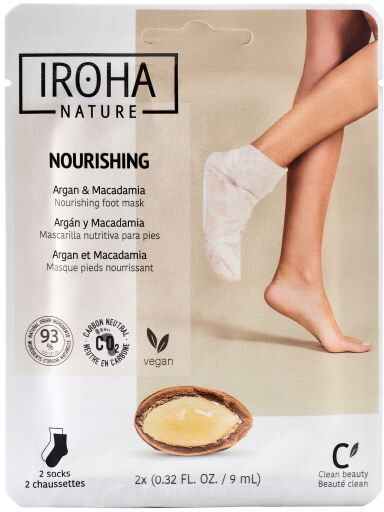
Iroha Nature Feet Mask Nutritious Socks With ArganHealth and Beauty Masks Iroha Nature Feet Mask Nutritious Socks With Argan The cooling power of Menthol helps relieve fatigue and relaxes the feet while Urea and 11 natural extracts intensely moisturise and soothe dry areas. Format in a practical double-layer sock. - Impregnated tissue inner fabric and protective outer layer. - This favours a fast and deep absorption of the natural active ingredients. Ideal For: Tired and dry feet. Frequency of use: 1 time per week. - Complement with Xtra Softness Argan Oil Socks. How to use: - Wash feet thoroughly and pat dry. Separate the two socks and insert your feet inside. - After 15-20 minutes remove the socks. Finish with a gentle massage until the serum is completely absorbed.4,17 £*Shipping: 3,99 £Secure redirect to the provider
-
Non-competitive inhibition, right?
Non-competitive inhibition is a type of enzyme inhibition where the inhibitor binds to a site on the enzyme that is not the active site. This binding causes a conformational change in the enzyme, making it less effective at catalyzing the reaction. Non-competitive inhibitors do not compete with the substrate for binding to the enzyme. Instead, they can bind to the enzyme-substrate complex or to a separate allosteric site on the enzyme. **
-
What is allosteric inhibition?
Allosteric inhibition is a type of enzyme regulation where a molecule binds to a site on the enzyme that is different from the active site, causing a conformational change in the enzyme's structure. This change reduces the enzyme's activity and ability to bind to its substrate, ultimately inhibiting its function. Allosteric inhibition is a reversible process and can be used to regulate enzyme activity in response to changing cellular conditions. **
-
What is the difference between allosteric inhibition and competitive inhibition in biology?
Allosteric inhibition occurs when a molecule binds to an allosteric site on an enzyme, causing a conformational change that reduces the enzyme's activity. This type of inhibition is non-competitive and can affect multiple enzymes in a metabolic pathway. On the other hand, competitive inhibition occurs when a molecule competes with the substrate for the active site of the enzyme, effectively blocking the substrate from binding and reducing the enzyme's activity. Competitive inhibition can be overcome by increasing the concentration of the substrate, while allosteric inhibition cannot be overcome in the same way. **
-
What is the difference between non-competitive inhibition and allosteric inhibition in biochemistry?
Non-competitive inhibition occurs when an inhibitor binds to an enzyme at a site other than the active site, causing a conformational change in the enzyme that reduces its activity. This type of inhibition does not compete with the substrate for binding to the active site. On the other hand, allosteric inhibition occurs when an inhibitor binds to an allosteric site on the enzyme, causing a conformational change that reduces the enzyme's activity. Allosteric inhibition can be reversible or irreversible, and it can be overcome by increasing the concentration of the substrate. **
* All prices are inclusive of VAT and, if applicable, plus shipping costs. The offer information is based on the details provided by the respective shop and is updated through automated processes. Real-time updates do not occur, so deviations can occur in individual cases. ** Note: Parts of this content were created by AI.